- Developer PixelPride Studios
- Publisher Daman Games
- Release Date 22 April 2024
- Genre Action, Adventure, Battle Royale
- Platforms Android, iOS, PC, macOS, Linux
- Game Modes Single-player, Multiplayer, Squad, TDM
- Languages Hindi, English, Assamese, Bengali, Manipuri, Mizo, Nagamese, Tripuri
- Rating 4.6/5 (1.2M+ Reviews)
- Downloads 15M+ (India)
- In-Game Currency Desi Coins, Tribal Tokens
- File Size 8GB (Min), 15GB (Max)
- Age Rating 13+ (PEGI), 12+ (ESRB)
Introduction
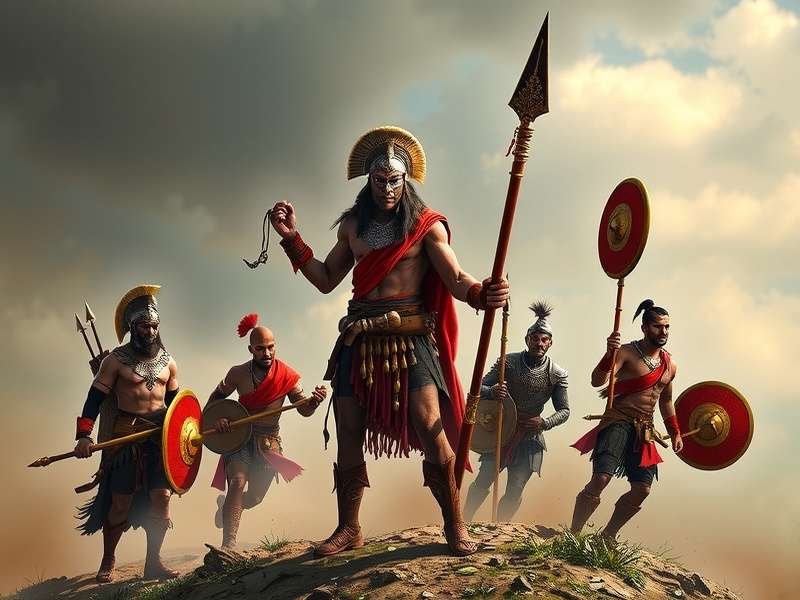
Northeast Gladiator Master stands as a groundbreaking desi action-adventure battle royale game that pays homage to India’s Northeast region – popularly known as the “Seven Sisters” (Assam, Arunachal Pradesh, Meghalaya, Manipur, Mizoram, Nagaland, Tripura) and Sikkim. Developed by Kolkata-based PixelPride Studios and published by Daman Games, this title redefines regional representation in Indian gaming by blending rich cultural heritage with fast-paced, competitive gameplay that resonates deeply with desi gamers.
Unlike generic battle royale titles that rely on Western tropes or overused Bollywood themes, Northeast Gladiator Master dives headfirst into the vibrant traditions, breathtaking landscapes, and ancient mythologies of the Northeast. Every element – from the misty living root bridges of Meghalaya to the fertile plains of the Brahmaputra, from traditional weapons to character backstories – is designed to reflect the region’s unique identity and diversity.
The game’s core premise – seven warriors, each hailing from one of the Seven Sisters states, uniting to defeat an ancient evil that threatens to erase their cultural legacy – not only drives a compelling narrative but also celebrates the spirit of unity in diversity that defines India. For many players, especially those from the Northeast, the game is more than just entertainment; it’s a source of immense pride, as it showcases their culture to a pan-Indian audience with respect, accuracy, and authenticity.
Launched on 22 April 2024, Northeast Gladiator Master quickly became a phenomenon in the Indian gaming landscape. It crossed 5 million downloads within its first two weeks and soared to the top of the Google Play Store and Apple App Store charts, outperforming many international titles. Its success can be attributed to three key factors: unwavering commitment to cultural authenticity, accessible gameplay optimized for Indian devices, and a deliberate effort to address the long-standing underrepresentation of Northeast India in mainstream gaming.
The game’s tagline, “Heritage in Battle, Courage in Unity,” encapsulates its dual mission: to honor the Northeast’s rich traditions while delivering the adrenaline-fueled thrills that battle royale fans crave. Whether you’re a casual player looking to explore a new world, a hardcore gamer chasing victory, or someone interested in learning about regional Indian culture, Northeast Gladiator Master offers something for everyone – from a deeply immersive story-driven single-player campaign to chaotic 100-player multiplayer battles set in iconic Northeast landscapes.
What truly sets Northeast Gladiator Master apart from other desi games is its attention to detail. The developers spent over 18 months researching the region, visiting remote villages, consulting tribal elders, and collaborating with cultural experts to ensure every aspect of the game is authentic. From the design of traditional attire like the Assamese mekhela chador and Meghalayan jainsem to the sounds of regional musical instruments like the Assamese dhol and Manipuri pung, no detail was overlooked.
Another key strength of the game is its accessibility. Recognizing that a large portion of Indian gamers use mid-range or budget mobile devices, PixelPride Studios optimized Northeast Gladiator Master to run smoothly on devices with as little as 2GB RAM. The game also features a “Low Data Mode” that reduces data usage by 60%, making it accessible to players in rural areas where internet connectivity is often spotty. These thoughtful touches have helped the game reach a wide audience across India, from metro cities to tier-3 towns and villages.
From a business perspective, Northeast Gladiator Master has been a resounding success. Within six months of its release, it crossed 15 million downloads in India and generated over ₹75 crore in revenue through microtransactions. What’s impressive is that the game has achieved this without resorting to pay-to-win mechanics – a major complaint among Indian gamers. Instead, it offers a player-friendly in-game economy where cosmetic items and convenience features can be earned through gameplay or purchased via microtransactions, ensuring a level playing field for all.
In the broader context of Indian gaming, Northeast Gladiator Master represents a significant step forward. For years, the Indian gaming market has been dominated by international titles or desi games that rely on tired tropes. This game proves that there is a huge appetite for regionally authentic content that celebrates India’s diversity. It has also opened the door for other developers to explore underrepresented regions and cultures, paving the way for a more inclusive and diverse Indian gaming landscape.
Gameplay
Northeast Gladiator Master masterfully combines the core mechanics of battle royale with unique desi twists and cultural elements, creating a gameplay experience that feels both familiar and refreshingly original. The game is designed to cater to the preferences of Indian gamers – who are predominantly mobile users – while offering enough depth and complexity to engage PC players. Controls are intuitive and fully customizable, allowing players to tailor the layout to their playstyle, and the game’s optimization ensures smooth performance even during intense multiplayer battles.
Core Mechanics
At its heart, Northeast Gladiator Master follows the classic battle royale formula: 100 players drop into a large map, loot resources, eliminate opponents, and strive to be the last one standing. However, the game elevates this formula with several unique mechanics that draw inspiration from Northeast Indian culture, setting it apart from international competitors like PUBG Mobile and Free Fire, and domestic rivals like Garena Free Fire India.
- Cultural Abilities: Each playable character has a unique set of abilities rooted in their state’s culture and traditions. For example, the Assamese character can summon a herd of elephants to charge enemies and create chaos, while the Mizo character can use traditional dao (machete) skills to deliver devastating melee attacks. The Manipuri character, a master of thang-ta martial arts, can dash through enemies and deliver quick, precise strikes, while the Meghalayan character can manipulate plants to create cover or trap opponents. These abilities add a strategic layer to the gameplay and make each character feel distinct.
- Desi Loot System: Instead of generic guns and gear, the game’s loot pool is filled with traditional weapons and items that reflect the Northeast’s heritage. Players can find weapons like the Manipuri thang-ta (sword and shield), Tripuri lathi (bamboo staff), Nagaland gung (traditional firearm), and Assamese bhao (spear). These traditional weapons are balanced with modern firearms like assault rifles and shotguns, ensuring that players have a variety of playstyles to choose from. Additionally, players can find cultural items like the Assamese gamosa (scarf) that acts as a healing item, the Meghalayan jainsem (dress) that provides armor, and the Naga shawl that grants stealth capabilities.
- Environmental Interaction: The game’s maps are filled with interactive elements that are deeply rooted in Northeast culture and geography. Players can hide in Meghalaya’s iconic living root bridges, use Assam’s bamboo rafts to cross rivers quietly, take cover in Nagaland’s tribal longhouses, or climb Arunachal Pradesh’s snow-capped peaks for a strategic vantage point. These interactive elements not only add variety to the gameplay but also immerse players in the region’s unique landscape. For example, during rainstorms (a common weather event in the game), the living root bridges become slippery, affecting movement speed, while snowfall in Arunachal Pradesh reduces visibility, encouraging close-quarters combat.
- Festive Events: Northeast Gladiator Master regularly hosts limited-time events tied to Indian festivals and Northeast tribal celebrations. These events not only keep the game fresh but also celebrate the region’s cultural diversity. For example, during Assam’s Bihu festival, the maps are decorated with jhapi (traditional hats) and gamosa, and players can earn Bihu-themed skins and emotes by completing challenges. During Nagaland’s Hornbill Festival, players can participate in a “Hornbill Hunt” mode where they collect virtual hornbills and compete for rewards. Other popular events include Diwali Duel (with cracker bombs and diyas illuminating the maps) and Manipur’s Lai Haraoba festival (featuring traditional dance emotes and music).
- Dynamic Weather System: The game features a dynamic weather system that affects gameplay and immersion. Players can experience rainstorms, fog, snowfall, and sunshine, each with unique effects. Rain reduces visibility and makes footsteps quieter, encouraging stealth play. Fog creates a tense atmosphere and favors close-range weapons. Snowfall slows movement and leaves footprints, making it easier to track enemies. Sunshine provides clear visibility, favoring snipers and long-range combat. This dynamic weather system adds unpredictability to each match and keeps the gameplay engaging.
Game Modes
Northeast Gladiator Master offers a diverse range of game modes to cater to different player preferences, from casual players looking for quick matches to hardcore gamers seeking competitive challenges. Each mode is designed to highlight different aspects of the game’s mechanics and cultural elements.
1. Hornbill Arena (Battle Royale)
The flagship mode of Northeast Gladiator Master, Hornbill Arena supports 100 players in a free-for-all battle across a massive 12km x 12km map inspired by the Seven Sisters states and Sikkim. The map is divided into distinct zones, each reflecting a state’s unique geography and culture.
- Dynamic circle collapse that forces players into closer combat, with each circle shrinking at varying speeds to keep the gameplay fast-paced
- Vehicle spawns including traditional tractor (popular in rural Northeast), bamboo rafts, and modern SUVs and motorcycles
- Air drops with rare loot like the “Naga Spear” (a one-hit kill weapon) and “Spirit of the Northeast” (a temporary buff that enhances character abilities)
- Multiple play options: Solo (1 player), Duo (2 players), and Squad (4 players) with voice chat support in multiple regional languages
- Environmental hazards like landslides in Arunachal Pradesh, flash floods in Assam, and wild animal attacks (elephants, tigers) that add unpredictability
2. Heritage Campaign (Single-Player)
A deeply immersive story-driven mode that follows the journey of the seven gladiators as they unite to defeat the “Asura King,” an ancient evil that seeks to destroy the Northeast’s cultural heritage. The campaign consists of 28 missions (4 per state), each featuring unique challenges, puzzles, and boss battles.
- Cinematic cutscenes with high-quality voiceovers in Hindi and six regional languages (Assamese, Manipuri, Mizo, Nagamese, Tripuri, Bengali)
- Puzzle-solving elements tied to Northeast traditions (e.g., decoding Mizo scripts, solving Assamese bihu dance patterns, navigating Meghalayan living root bridges)
- Character-specific missions that explore each gladiator’s backstory and motivations, adding emotional depth to the narrative
- Offline play option for areas with poor internet connectivity, allowing players to enjoy the campaign without a stable connection
- Collectible items like tribal artifacts, ancient scriptures, and cultural relics that provide insights into Northeast history and mythology
3. Tribal Clash (Team Deathmatch)
A fast-paced 5v5 mode where two teams (representing different Northeast tribes) battle to reach 75 kills first. The mode features smaller, more concentrated maps with tight corners and plenty of cover, emphasizing close-quarters combat and teamwork.
- 15-minute matches for quick gameplay sessions, perfect for players with limited time
- Team-based objectives like capturing “cultural relics” and defending tribal totems for bonus points and temporary buffs
- Customizable loadouts with a mix of traditional and modern weapons, allowing players to tailor their playstyle
- Rewards include tribal-themed skins, weapon camos, and in-game currency (Desi Coins) for unlocking cosmetic items
- Rotation of maps inspired by Northeast tribal villages, ensuring variety and keeping the mode fresh
4. Festival Challenges (Limited-Time)
Seasonal modes tied to Indian festivals and Northeast tribal celebrations, offering unique gameplay mechanics and exclusive rewards. These modes are highly anticipated by the player base and often feature collaborations with regional celebrities and influencers.
- Bihu Bash: Players collect “Bihu Rongali” items to earn points, with a special elephant mount and Bihu-themed character skin as the grand reward
- Hornbill Hunt: During Nagaland’s Hornbill Festival, players hunt virtual hornbills across a dedicated map, competing for the highest score and exclusive Naga tribal skins
- Diwali Duel: Maps are lit with diyas and rangoli, and players can use “cracker bombs” to damage opponents and create distractions. The mode features a special “Lakshmi Blessing” buff that increases loot quality
- Lai Haraoba Rumble: Inspired by Manipur’s Lai Haraoba festival, players can use traditional dance moves to stun enemies and earn points. The mode features a unique scoring system based on combat style and teamwork
5. Gladiator Championship (Ranked Mode)
A competitive ranked mode for skilled players looking to test their mettle against the best. The mode features a skill-based matchmaking system that pairs players of similar skill levels, ensuring fair and challenging matches.
- Ranking system with tiers: Bronze, Silver, Gold, Platinum, Diamond, Emerald, and Gladiator (the highest tier)
- Seasonal rewards including exclusive ranked skins, weapon camos, and a unique “Gladiator Title” for top players
- Leaderboards that track player performance at the regional, state, and national levels, fostering a competitive community
- Strict anti-cheat measures to ensure fair play, including AI-powered cheat detection and manual reporting systems
- Monthly tournaments with real-world prizes (gift cards, gaming peripherals) for top-ranked players
6. Tribal Puzzle Quest (Co-op PvE)
A cooperative player-vs-environment mode where 2-4 players team up to solve puzzles, defeat waves of enemies, and protect cultural relics. The mode is designed to encourage teamwork and communication, making it perfect for playing with friends.
- Procedurally generated puzzles that change with each playthrough, ensuring replayability
- Wave-based enemy encounters with increasing difficulty, featuring corrupted versions of Northeast wildlife and tribal warriors
- Special boss battles at the end of each mission, requiring players to use their character abilities strategically
- Rewards including rare crafting materials, character upgrades, and exclusive co-op skins
- Weekly challenges with unique modifiers (e.g., increased enemy health, limited ammo) to keep the mode engaging
In-Game Economy
Northeast Gladiator Master features a player-friendly in-game economy that has been widely praised for avoiding pay-to-win mechanics – a major concern for Indian gamers who are often wary of predatory monetization practices. The game’s economy is designed to be fair and accessible, allowing players to progress and customize their characters without spending real money, while still offering options for those who want to support the developers.
The primary in-game currency is Desi Coins, which can be earned through various gameplay activities: completing missions in the single-player campaign, winning multiplayer matches, participating in limited-time events, daily logins, and leveling up the Battle Pass. Desi Coins can also be purchased via microtransactions in various denominations, ranging from ₹49 to ₹4,999, with discounts for larger purchases.
The secondary currency is Tribal Tokens, which are earned by completing weekly challenges, participating in ranked matches, and collecting cultural relics in the single-player campaign. Tribal Tokens are used to purchase exclusive items like rare character skins, weapon camos, and emotes that are not available for Desi Coins.
Players can use these currencies to buy a variety of items from the in-game store:
- Character Skins: A wide range of skins, including traditional attire variants (e.g., Assamese mekhela chador, Meghalayan jainsem), festive outfits (Bihu, Diwali, Hornbill Festival), and modern-themed skins. All skins are purely cosmetic and do not affect gameplay.
- Weapon Skins: Skins for both traditional and modern weapons, featuring intricate tribal patterns, festive designs, and metallic finishes. Some weapon skins include unique visual effects (e.g., sparkles, smoke) but no statistical advantages.
- Emotes and Taunts: Emotes inspired by regional dances (e.g., Assamese Bihu, Manipuri Ras Leela, Mizo Cheraw) and taunts that reflect Northeast culture. Emotes can be used during matches to celebrate victories or interact with other players.
- Battle Passes: Seasonal Battle Passes that offer a tiered system of rewards, including exclusive skins, emotes, currency, and crafting materials. The Battle Pass is available in two versions: a free version with basic rewards and a premium version (purchasable with Desi Coins) with additional exclusive content.
- Cosmetic Accessories: Items like character hats, masks, backpacks, and weapon charms that allow players to customize their appearance further. These accessories are purely cosmetic and do not provide any gameplay advantages.
- Crafting Materials: Materials used to craft rare items and upgrade character abilities in the single-player campaign. Crafting materials can also be earned through gameplay, ensuring that free-to-play players are not disadvantaged.
One of the most praised aspects of the game’s economy is its “Fair Play Promise,” which guarantees that no item purchased with real money will provide a competitive advantage. This commitment to fairness has helped build trust with the player base and has contributed to the game’s long-term success.
Additionally, Northeast Gladiator Master offers a “Refer-a-Friend” program that rewards players for inviting their friends to join the game. Both the referrer and the referred friend receive Desi Coins and exclusive cosmetic items, encouraging community growth and player retention.
Accessibility Features
PixelPride Studios has gone to great lengths to make Northeast Gladiator Master accessible to as many players as possible, recognizing that Indian gamers use a wide range of devices and have varying levels of gaming experience. The game’s accessibility features have been widely praised by players and critics alike, setting a new standard for inclusivity in Indian gaming.
- Device Optimization: The game is optimized to run on devices with as little as 2GB RAM and 8GB of storage, making it accessible to players with budget mobile phones. The developers have also included multiple graphics settings (Low, Medium, High, Ultra) that allow players to adjust the game’s visual quality based on their device’s capabilities.
- Low Data Mode: A specialized mode that reduces data usage by 60% by compressing textures and limiting background data. This feature is particularly popular among players in rural areas where internet connectivity is limited or expensive.
- Customizable Controls: Fully customizable control layouts that allow players to adjust the size, position, and transparency of on-screen buttons. Players can also save multiple control presets for different playstyles (e.g., casual, competitive).
- Regional Language Support: The game supports eight languages (Hindi, English, Assamese, Bengali, Manipuri, Mizo, Nagamese, Tripuri) in both text and voice chat. This ensures that players from different regions can enjoy the game in their native language.
- Visual Accessibility Options: Features like adjustable text size, high-contrast mode, and colorblind filters (Protanopia, Deuteranopia, Tritanopia) that make the game more accessible to players with visual impairments.
- Audio Accessibility: Adjustable audio levels for different sound effects (e.g., footsteps, gunfire, music) and closed captions for all in-game dialogue and cutscenes. The game also supports external audio devices like hearing aids.
- Beginner Tutorials: Comprehensive tutorials that teach new players the game’s mechanics, controls, and strategies. The tutorials are available in all supported languages and can be revisited at any time.
- Skill-Based Matchmaking: A matchmaking system that pairs new players with other beginners, ensuring that they do not face experienced players who may discourage them. As players gain experience, they are gradually matched with more skilled opponents.
These accessibility features have helped Northeast Gladiator Master reach a wide and diverse audience, including players who may have been excluded from other battle royale games due to device limitations or language barriers. The developers have also committed to regularly updating and expanding the game’s accessibility options based on player feedback.
Plot & Lore
The story of Northeast Gladiator Master is deeply rooted in Northeast Indian mythology, drawing inspiration from local folktales, tribal legends, and ancient scriptures. The game’s narrative is designed to be both engaging and educational, introducing players to the rich cultural heritage of the Seven Sisters states while delivering a compelling, action-packed story.
The game is set in a fictionalized version of the Northeast, where the “Spirit of the Northeast” – a mystical force that protects the region’s culture, nature, and people – is under threat from the Asura King, an ancient demon who was sealed away centuries ago by seven tribal warriors known as the “Guardians of the Seven Sisters.”
Centuries later, the Asura King breaks free from his prison, fueled by modern-day greed, deforestation, cultural erosion, and the neglect of regional traditions. His goal is to absorb the Spirit of the Northeast, granting him unlimited power and allowing him to conquer not just the Northeast but the entire Indian subcontinent. To achieve this, he begins destroying cultural landmarks, kidnapping tribal elders, and spreading darkness across the land, turning once-thriving villages into desolate wastelands and corrupting the region’s wildlife.
The Prophecy of the Seven Gladiators
According to an ancient prophecy inscribed on a stone tablet hidden in the depths of Meghalaya’s Living Root Bridge, seven warriors – one from each of the Seven Sisters states – will rise to challenge the Asura King. These warriors, known as the “Seven Gladiators,” are direct descendants of the original Guardians of the Seven Sisters. Each gladiator possesses a fragment of the Spirit of the Northeast, giving them unique abilities tied to their state’s culture, geography, and mythology.
The prophecy foretells that the gladiators must unite, putting aside their differences and embracing their shared heritage, to wield the “Trishul of Unity” – a legendary weapon forged from the combined spirits of the Seven Sisters. Only with this weapon can they defeat the Asura King and restore balance to the region.
The prophecy also warns that the Asura King cannot be destroyed permanently – he can only be sealed away. To ensure that he never returns, the gladiators must not only defeat him but also preserve the Northeast’s cultural heritage, as the Asura King’s power is fueled by the erosion of tradition and unity.
Key Story Arcs
The Heritage Campaign is divided into four main story arcs, each focusing on a different phase of the gladiators’ journey. Each arc is designed to explore different aspects of Northeast culture and mythology, while advancing the overarching narrative and developing the characters.
Arc 1: The Awakening (Missions 1-7)
The first arc introduces players to each of the seven gladiators and their individual backstories. Each gladiator is awakened to their destiny through a personal tragedy that brings them face-to-face with the Asura King’s evil.
- Priya Bora (Assam): A young Bihu dancer and village healer, Priya witnesses her village being destroyed by the Asura King’s minions, who are after a sacred gamosa that holds a fragment of the Spirit of the Northeast. Her grandmother, the village elder and guardian of the gamosa, is killed protecting it, and Priya vows to avenge her and protect her culture.
- Rajiv Thapa (Arunachal Pradesh): A monk from Tawang Monastery, Rajiv is a master of Tibetan martial arts and a scholar of ancient scriptures. He discovers that his monastery’s most sacred text – which contains clues about the prophecy and the Asura King’s weakness – has been stolen by the demon’s army. He leaves the monastery to retrieve the text and fulfill his destiny.
- Maya Sangma (Meghalaya): A botanist and environmentalist who has dedicated her life to studying Meghalaya’s unique flora, including the living root bridges. She notices that the root bridges are withering away and that the region’s plants are dying, a sign that the Spirit of the Northeast is weakening. When her research camp is attacked by corrupted wildlife, she realizes that she must take action to save her homeland.
- Amar Singh (Manipur): A former national-level thang-ta champion and coach, Amar’s life changes when his sister, a promising young dancer, is kidnapped by the Asura King’s minions. The minions demand that Amar surrender a sacred thang-ta sword that has been passed down in his family for generations. Amar refuses and sets out to rescue his sister and protect his family’s legacy.
- Lalrempuii (Mizoram): A tribal hunter and tracker who grew up in the forests of Mizoram, Lalrempuii has a deep connection with nature and sharp senses that make her one of the best hunters in her clan. When her clan’s village is attacked by the Asura King’s army and her father, the clan chief, is mortally wounded, she takes on the role of protector and sets out to find the other gladiators.
- Nokul Ao (Nagaland): A tribal warrior from the Ao Naga clan and a respected leader in his community. Nokul’s clan has guarded a sacred cave for centuries, which contains a fragment of the Spirit of the Northeast. When the Asura King’s minions attack the cave to steal the fragment, Nokul is forced to flee and seek the help of the other gladiators. He carries a traditional Naga spear and a gung (firearm) passed down from his ancestors.
- Anika Debbarma (Tripura): A princess from the Debbarma royal family and a skilled archer and strategist. Anika’s father, the king, is injured in an attack on the royal palace by the Asura King’s army. Before falling into a coma, the king tells Anika about the prophecy and her destiny as one of the Seven Gladiators. Anika leaves the palace to find the other gladiators and fulfill her father’s wish.
Each gladiator embarks on a solo mission to retrieve their state’s sacred artifact (e.g., Assam’s gamosa, Manipur’s thang-ta sword, Megh